Generic brand skins to demonstrate white‑label flexibility.
The core team already had a clear functional vision. My focus was turning that vision into a robust, testable high‑fidelity prototype (Material Design) that stakeholders and end clients could experience end‑to‑end.
I sourced a specialist design researcher, recruited participants and organised incentives to run moderated usability sessions covering the full funnel—from initial property details through plan selection and summary.
The prototype enabled rapid iteration: we refined copy, sequencing and validation patterns that previously caused stalls or unnecessary cognitive load.
Findings were synthesised into concise debrief packs for the end client, highlighting friction (data entry repetition, unclear policy terminology, plan comparison overload) and recommended UI/flow adjustments.
Post‑test adjustments simplified personal info capture, clarified previous claims questions and improved comparison clarity—positioning the platform for higher completion and stronger demos to prospective partners.
Bringing a high‑fidelity prototype to life and validating it with real users to remove friction before engineering investment.
- High‑fidelity prototyping (Material Design)
- Design system adaptation
- Participant sourcing & incentives
- Usability test planning & moderation
- Findings synthesis & stakeholder playback
- Workshop facilitation
- UI & UX refinement
Documented, branched Figma prototype handed to engineers.
Headline findings: friction hotspots and quick wins.
Headline findings: friction hotspots and quick wins.
Headline findings: friction hotspots and quick wins.
Headline findings: friction hotspots and quick wins.
Headline findings: friction hotspots and quick wins.
Value Created
De‑risked build by uncovering critical onboarding frictions early; produced evidence‑based refinements that simplified data entry and clarified plan selection, strengthening partner confidence and projected conversion
More case studies
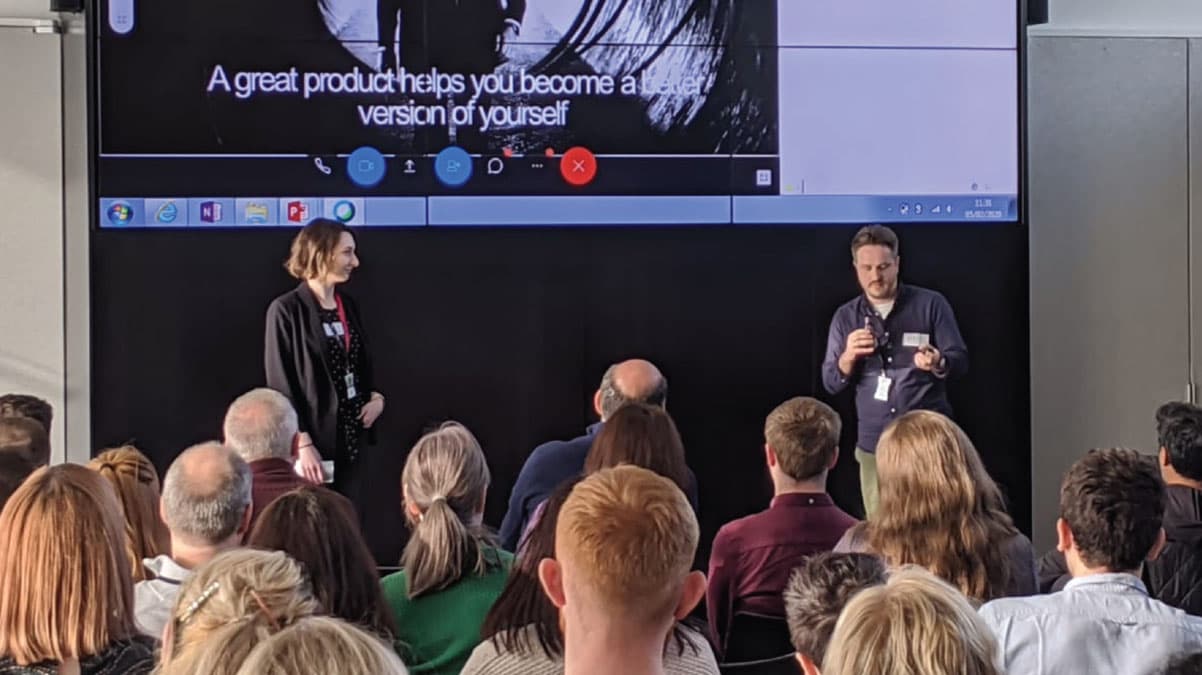
Creating a transformation movement through holistic design

Customer insight-led product roadmap

Discovery phase for UK licensing and permits

Redesigning global IT self‑service to drive productivity

Boosting decarbonisation among UK SMEs