Transforming a major UK bank through design leadership and cultural change
This major UK bank was facing significant challenges with dwindling customer satisfaction and new industry regulation (e.g. Open Banking, Confirmation of Payee) and new challenger banks capturing the public imagination for what a brighter future for banking could look like. New mobile-first competitors such as Monzo and Starling were entering the market and showing the big banks how it's done.
At a glance
Role
Design Lead
Team size
45 designers, writers and researchers
Impact
NPS increased from 62 to 75
One of the first things we identified as the root cause of experience issues was the way different teams worked in very separate silos and didn't communicate
While working as a Design Lead here, I was responsible for around 45 designers, writers and researchers working across the app. Together with a small team of pioneering product owners and engineers, we established a new lab that would cut across silos to help customers feel like they can achieve more with mobile.
Value Created
By raising the bar for design and kicking off new initiatives, we saw record high results for NPS (moving from 62 to 75)
We reduced costs by over £80m
We increased profitability of journeys by more than £40m
My role in all this
During my 4 year tenure as a Design Lead, I oversaw the design of a huge number of initiatives, from new signups and login processes, payments, statements to end-to-end customer journeys such as transaction disputes, bereavement care and insurance sales.
- Inspiration & building a movement
- Design leadership and mentorship
- Hiring and restructuring design teams
- Shaping teams
- Public speaking
- Reducing silos through collaboration
I mapped complex customer journeys to identify friction points and opportunities for improvement, taking a systemic perspective
Product Vision & Inspiration
As part of my role, I gave numerous presentations to inspire teams and create alignment around our user-centered approach. These talks helped build momentum for change across the organization.
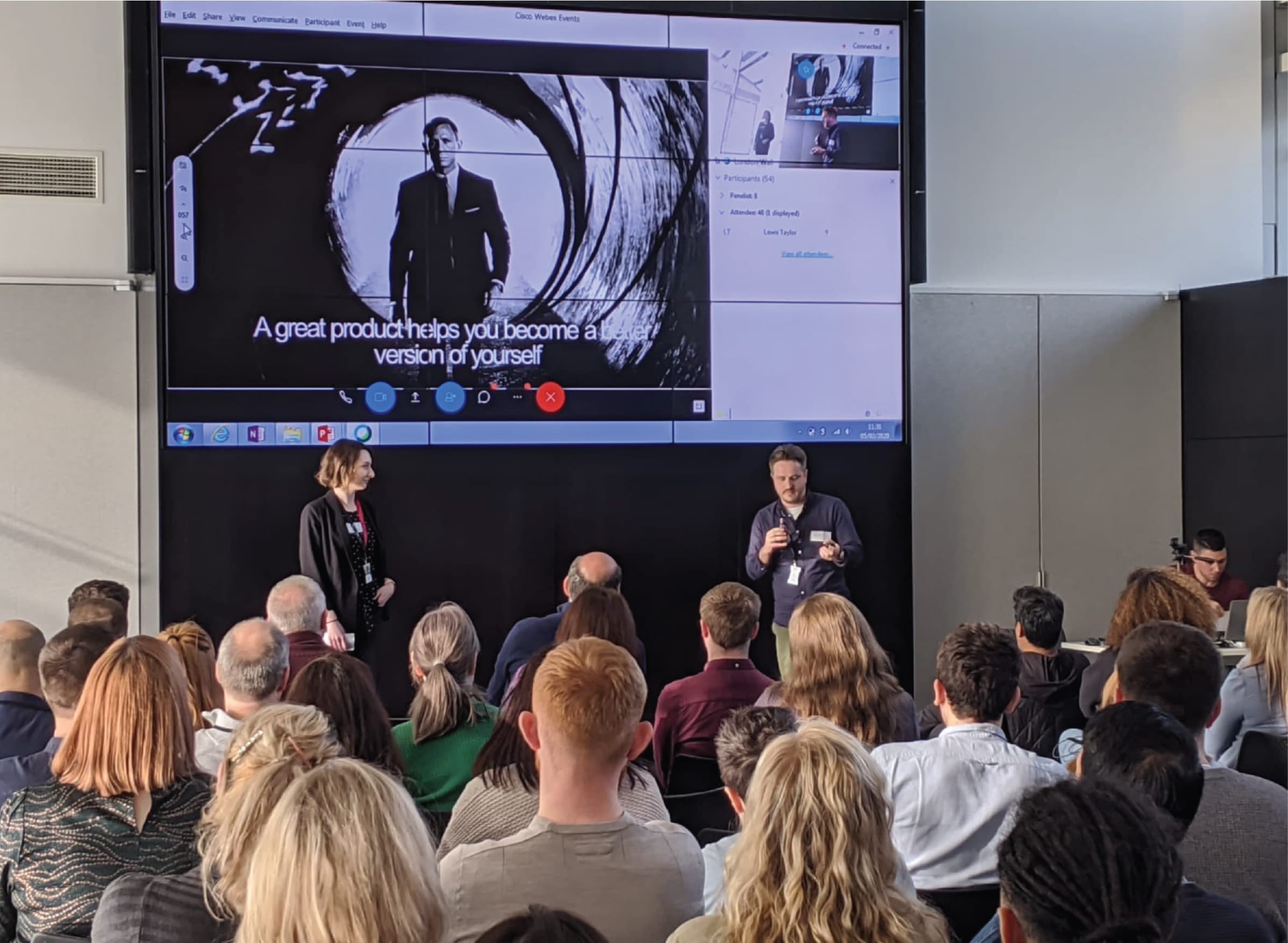
Together with another Design Lead, I presented our vision for not just the app, but how we wanted to set ourselves up to achieve the vision
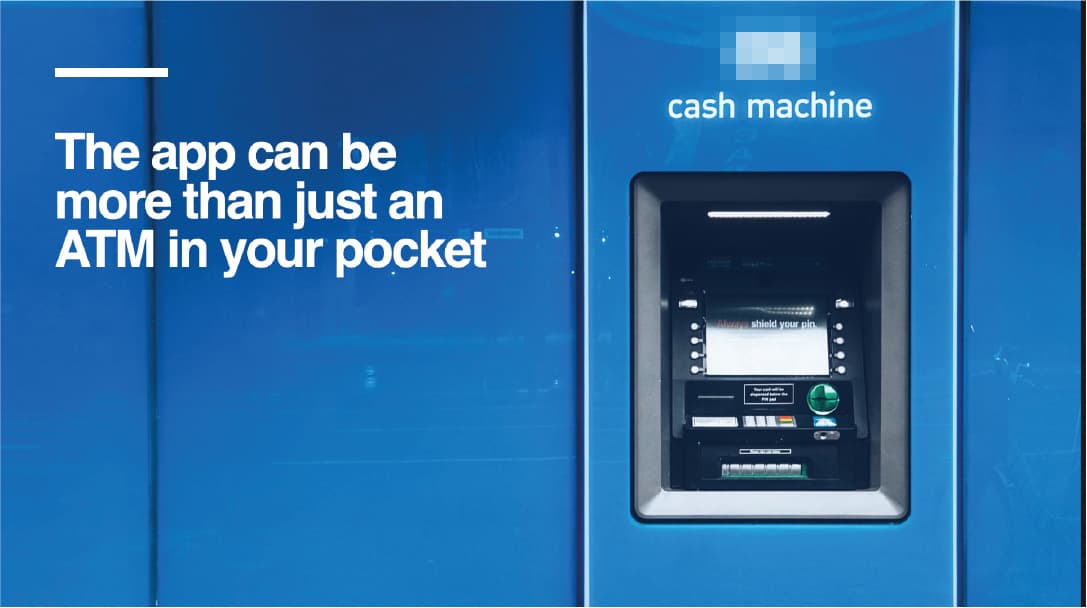
We wanted to inspire people to see that the banking app could do more for people's lives than just check balances and spending
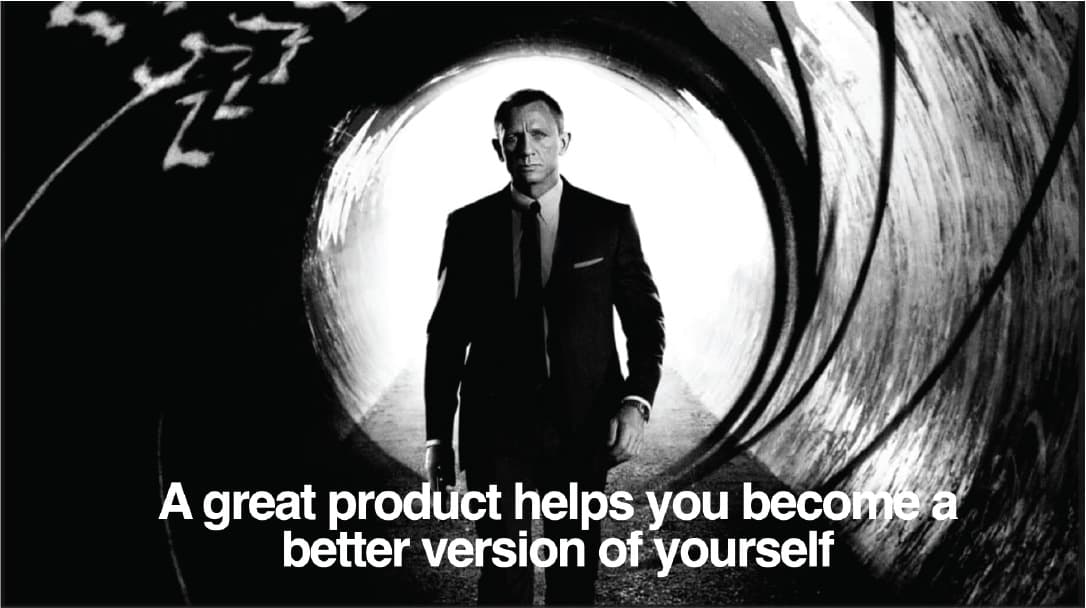
We gave examples of products such as the Omega Seamaster or The Stratocaster, which have an elevated role in people's lives because of how much more they can do for people. And they don't just function, they help people fulfill a greater destiny

The Omega Seamaster is not just a watch, it's a statement of style and functionality, embodying the essence of what we wanted our banking app to represent. James Bond wouldn't be the same without it
Task analysis
I established the practice of conducting task analysis to understand exactly what mattered to customers about the things they wanted to achieve through their bank. This lead to more economical roadmaps and decisions for product teams.
I carried out task analysis for many different services to help create an objective view on customer needs and motivation to help inform design decisions
User Research & Personas
Understanding our customers was essential to creating meaningful solutions. We developed detailed personas based on extensive research, interviews, and customer data. These personas helped teams develop empathy and made complex customer needs more tangible.
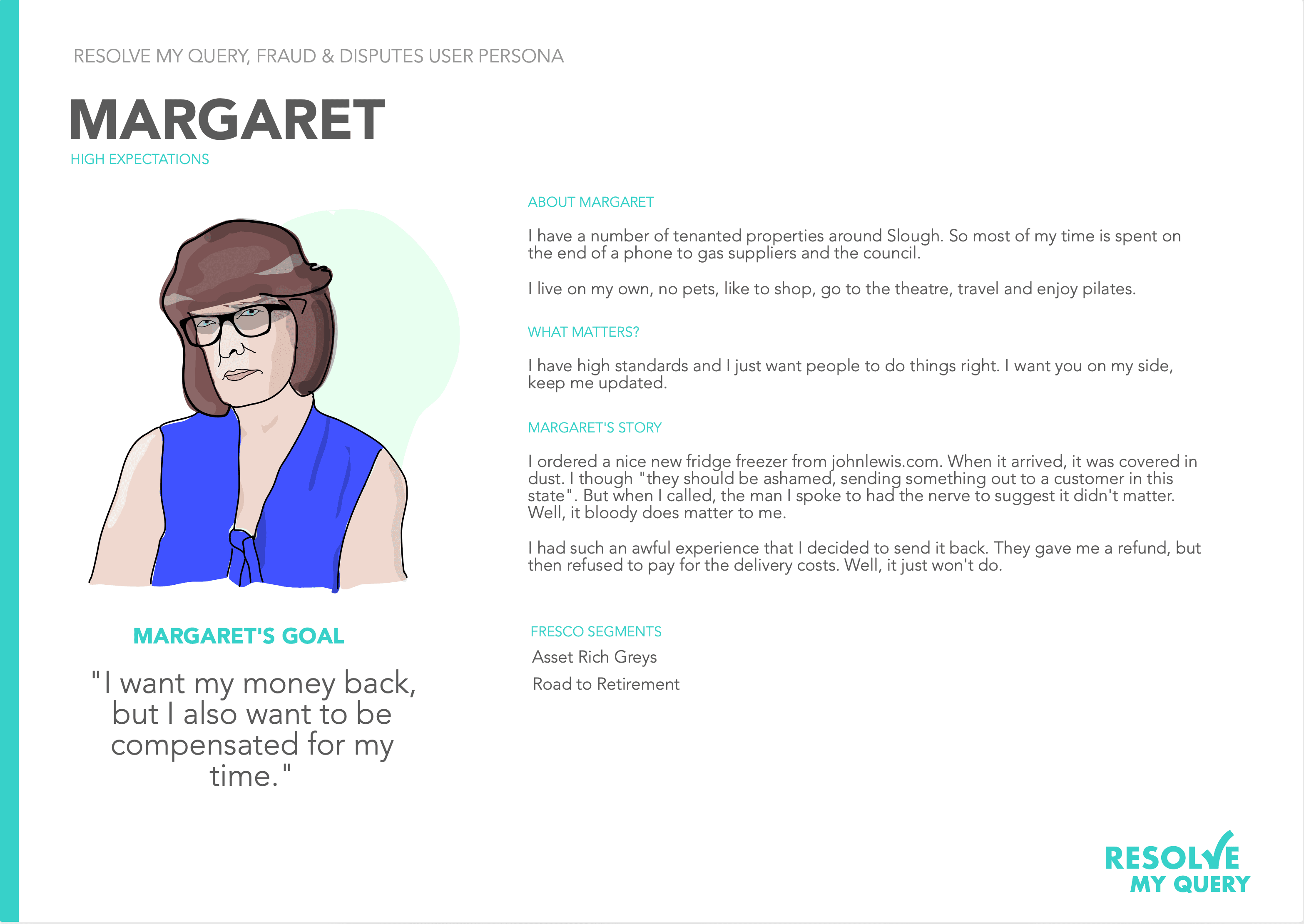
Personas I illustrated to bring to life the mood and demeanour of the users we were designing for
Sketch Concepts
I created a series of animated sketches to quickly explore interaction concepts. These low-fidelity prototypes helped us test ideas rapidly before investing in high-fidelity designs.
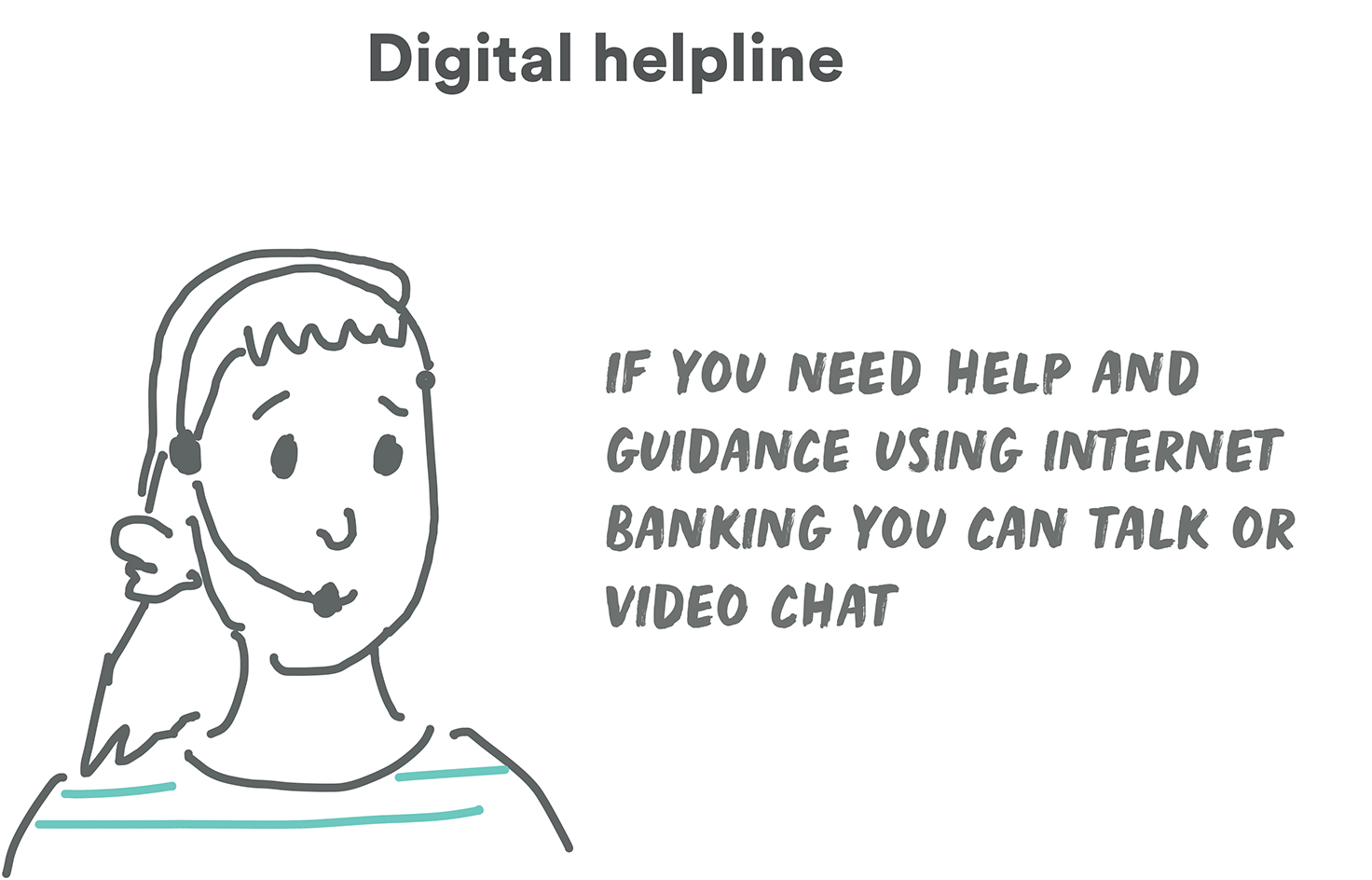
Sketch concept 1
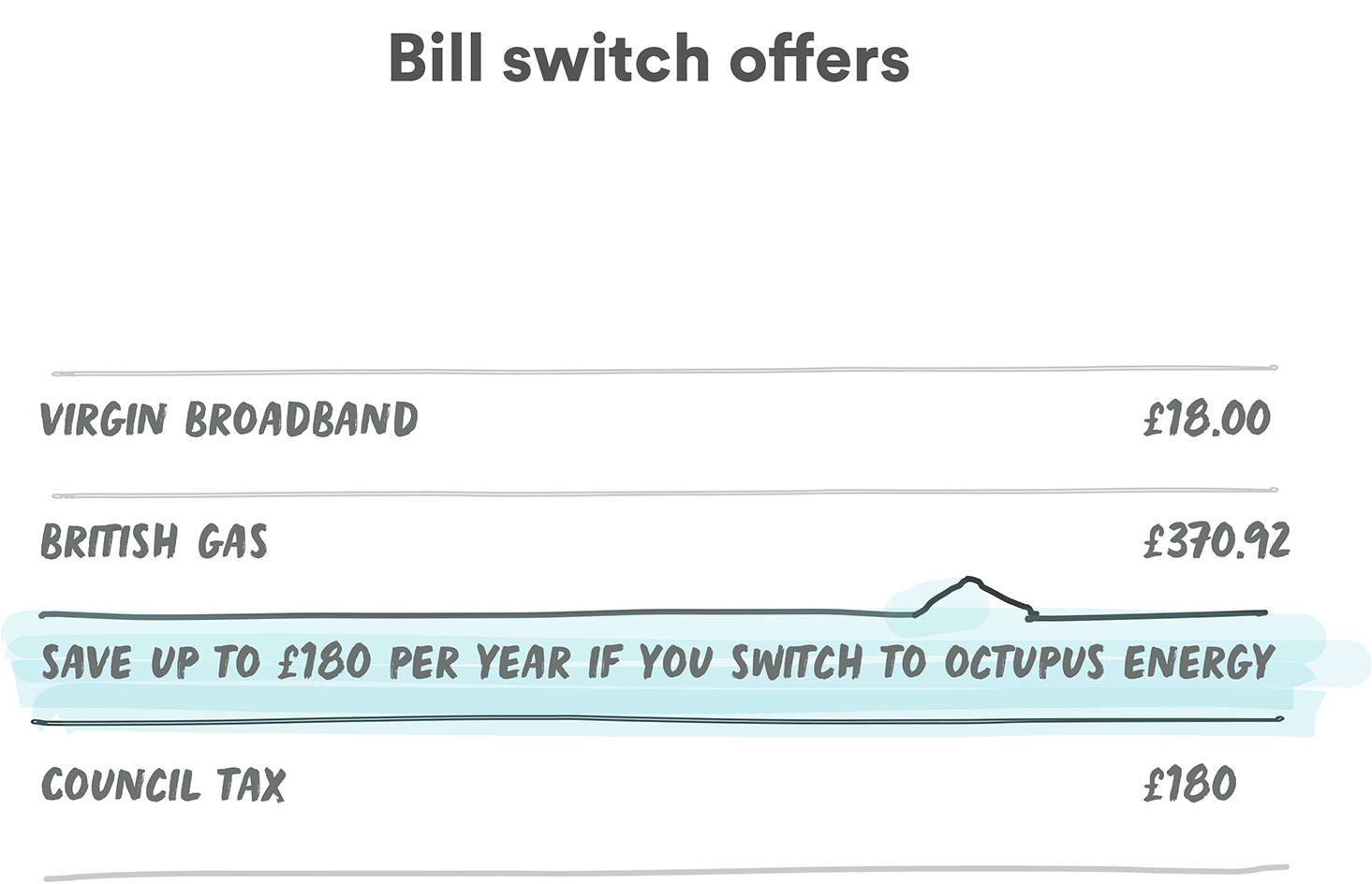
Sketch concept 2
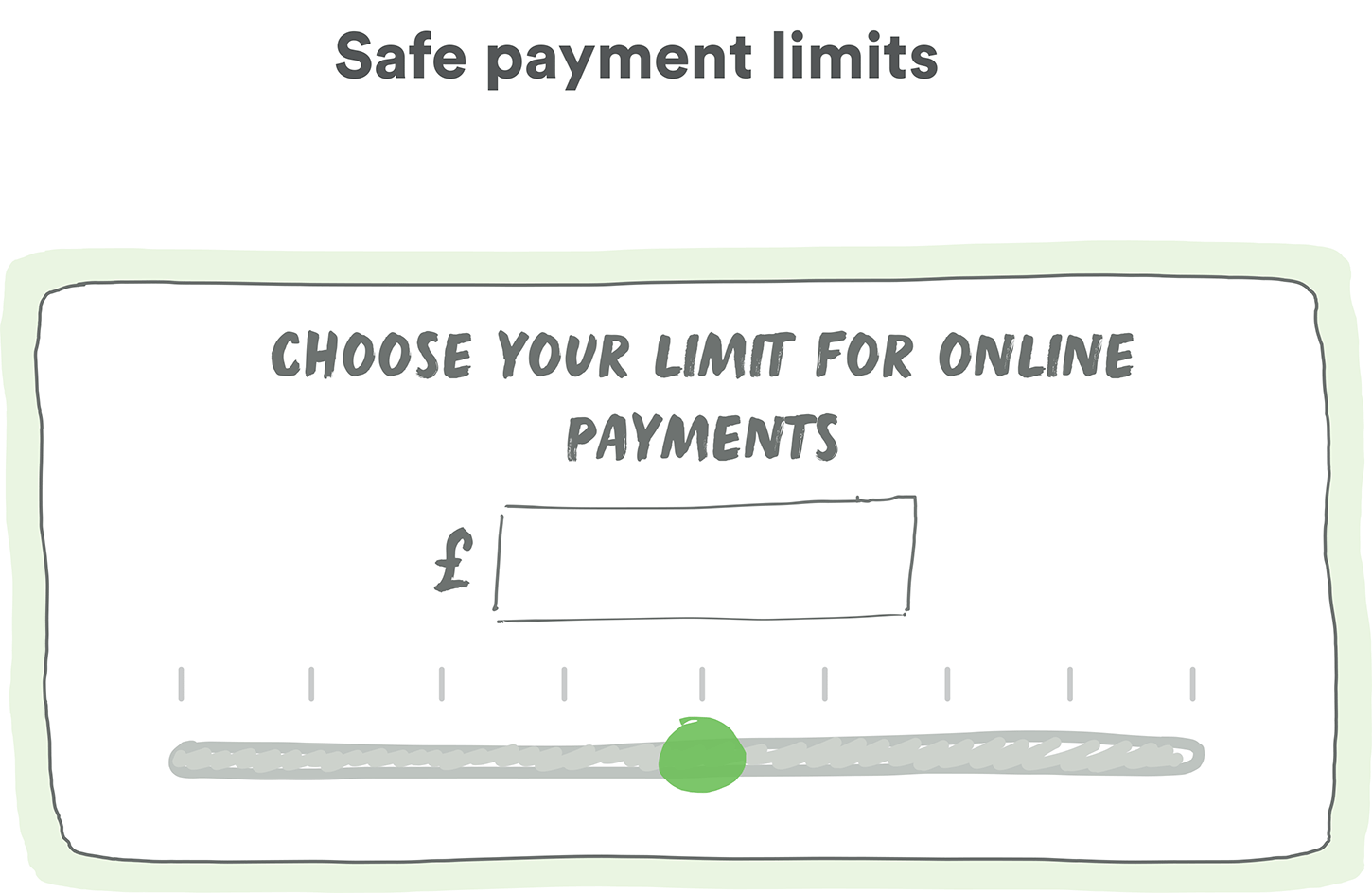
Sketch concept 3
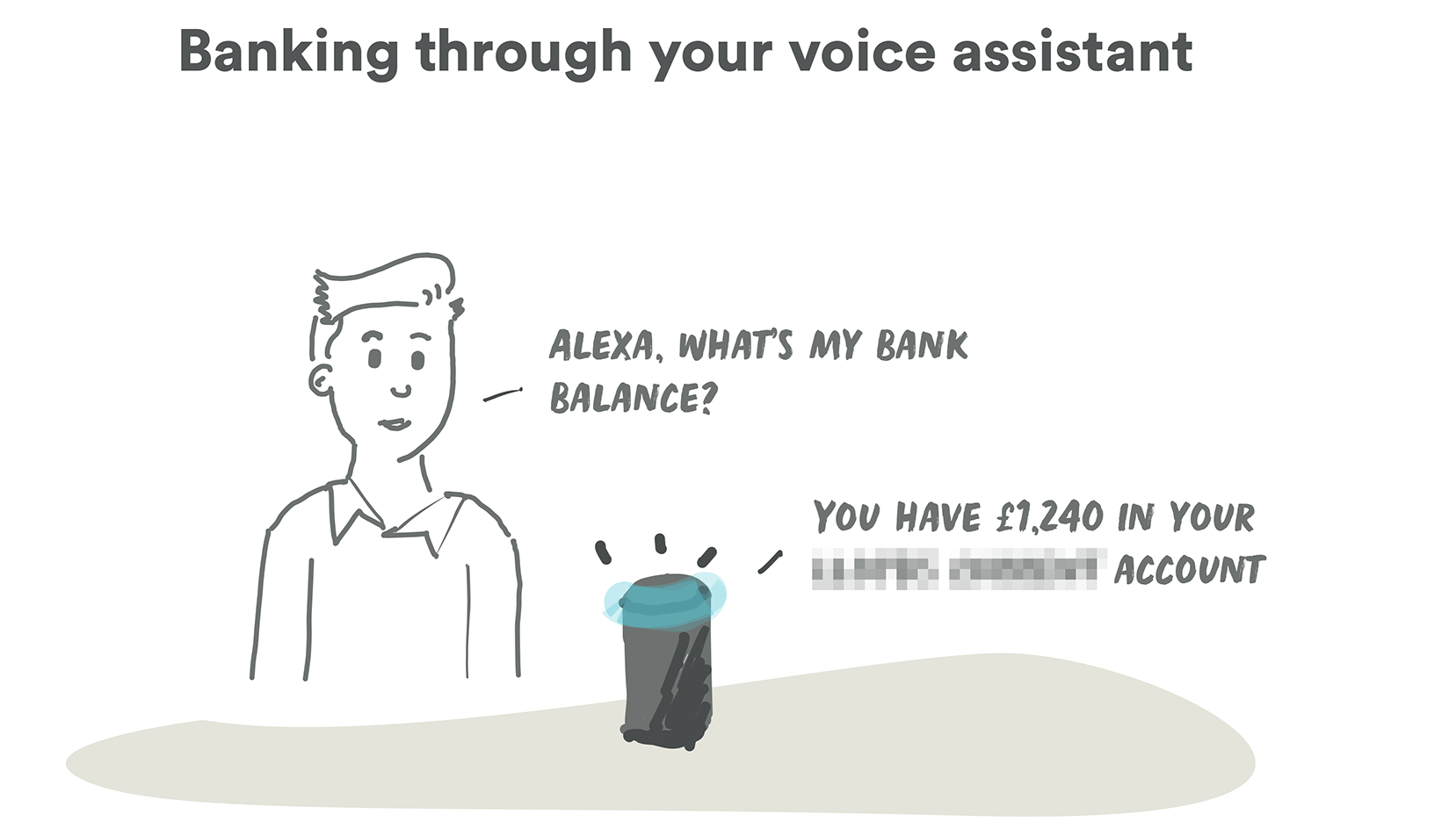
Sketch concept 4
Participatory Design
As part of redesigning the home page of the app, we created a kit of UI elements for customers to use as stimulus. They could arrange these elements on their ideal app design and express what was important to them. This approach gave us deeper insights into customer priorities and mental models than traditional interviews alone.
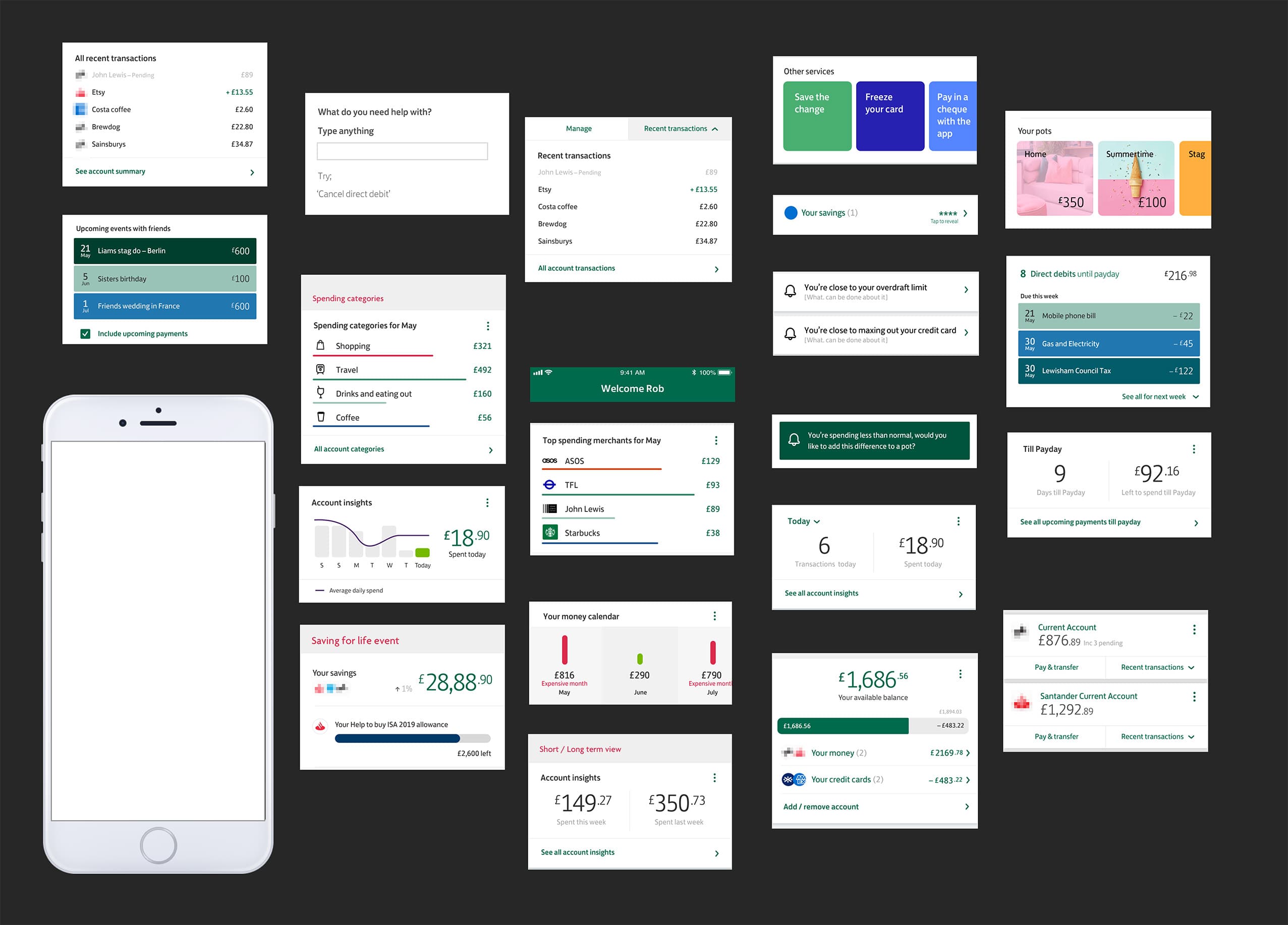
Participatory design workshop exercise: customers arranging UI elements to surface priorities and mental models
Design Concepts
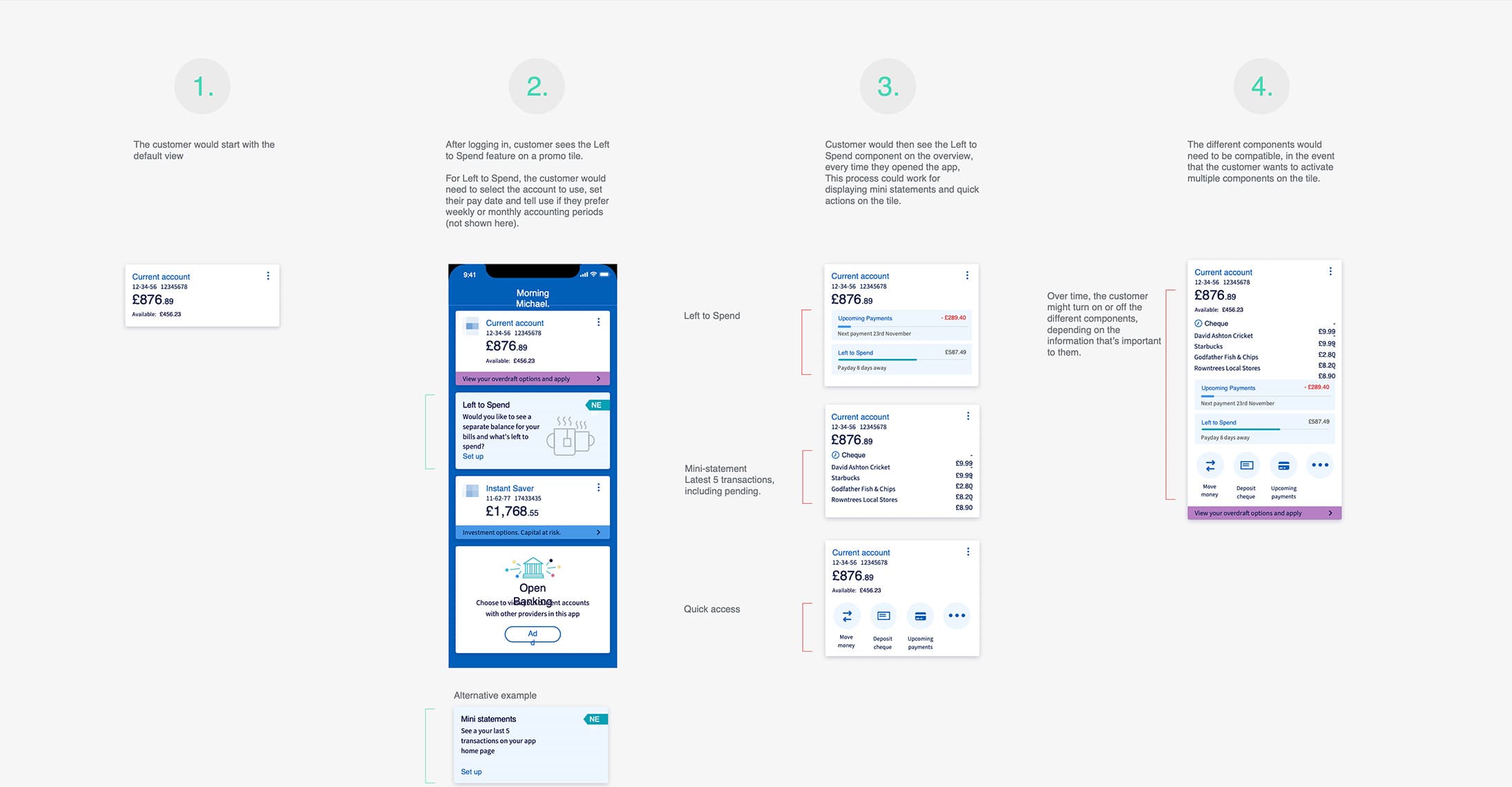
Exploring design concepts to simplify complex financial interactions and reduce cognitive load
Our design concepts focused on creating simple, intuitive experiences that reduced cognitive load for customers. We explored numerous approaches to simplify complex financial processes, making them more accessible and less stressful for users.
These techniques helped to transform the customer experience and eliminate silos between different teams. By bringing designers, developers, product owners, and business stakeholders together, we were able to create more cohesive and effective solutions.
More case studies

Customer insight-led product roadmap

Discovery phase for UK licensing and permits

Simplifying home insurance onboarding

Redesigning global IT self‑service to drive productivity

Boosting decarbonisation among UK SMEs